
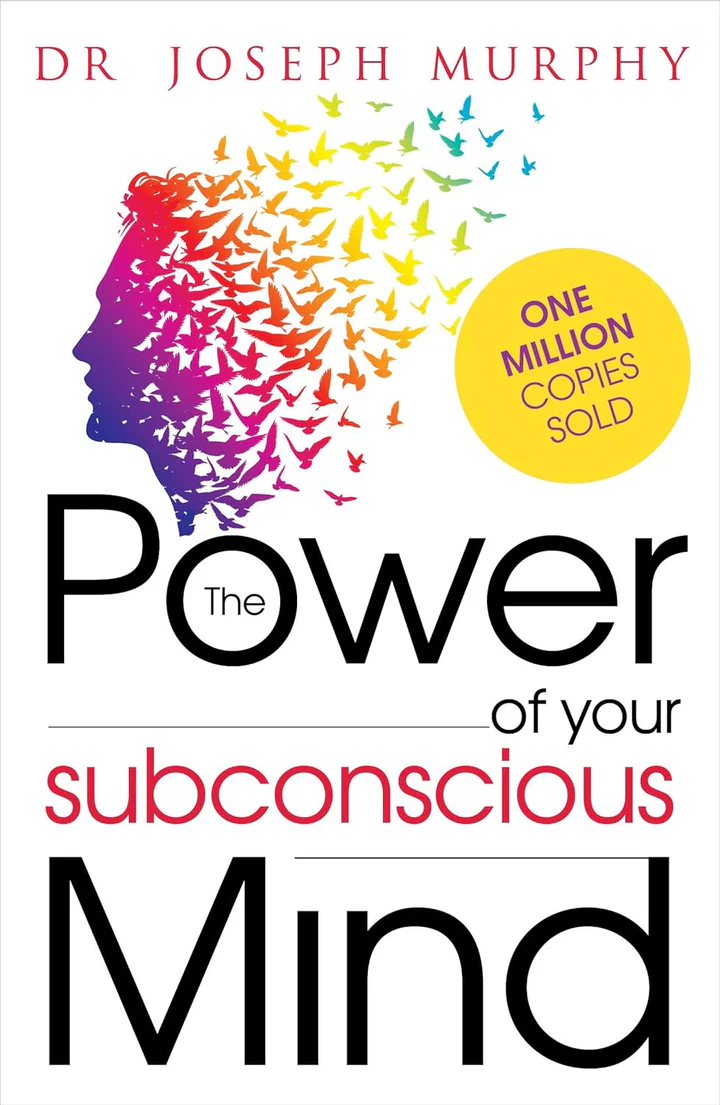
The Power of the Subconscious Mind by Joseph Murphy is a book that is capable of equipping you to use the hidden marvels of your subconscious mind to the best of its capability. Let’s examine what you can learn from reading this book and whether you should pick it up or not.
First things first, what did I learn from this book? The primary lesson that I personally learned reading this book and that is going to stay with me forever is the way to meditate properly.
I have been meditating for quite some time, but have not been enjoying it to its fullest. After reading this book, I came to know that I was doing it wrong. My way of meditating was to try to stop the thinking process and bring my mind to stillness. That stillness, according to me, was the key purpose of meditation.
Book ‘The Power of the Subconscious Mind’ by Dr Joseph Murphy taught me that I can use the meditation process to take me to the place in my life where I want to be. Instead of the fruitless effort of removing all thinking process from my mind, I could start diverting my attention, thinking as if I had achieved all the objectives of my life.
According to the book, having that state of mind enables our subconscious mind, which is capable of doing all, to behave as a magnet to attract that goal towards you. The best utilization of the subconscious mind is only achieved if it is told what you want to achieve or are capable of.
The book made it clear how powerful and capable our subconscious mind is. It is capable of healing the wounds, it is capable of making our respiratory, circulatory, and digestive systems work all the time simultaneously, it is capable of storing data in itself for decades and decades. It is so powerful that if you use its capabilities properly, it can change our lives altogether.
Reading this book, you will be reading a lot of real-life stories as to how people used their subconscious mind to treat their disease, found the lost wealth, and improved their life. You, me, and everybody are capable of doing that if we use these skills to benefit us all.
The one thing that I would be pointing out as a shortcoming in this book is its excessive length. The book is quite lengthy to communicate the ideas that it has communicated. The book could be made shorter, as after crossing the middle, things start repeating themselves, and you no longer find it interesting to continue to read.
However, if you read this book to implement the things being discussed in the book, then every minute you spend holding this book will be worth your time. This was Bookish Talks review on the book The Power of the Subconscious Mind by Dr Joseph Murphy. Bookish Talks is a Digital Media Company being managed by Faizan Khan. Bookish Talks has 15 thousand subscribers on YouTube and 28 thousand followers on Instagram. With this huge audience, Faizan Khan creates content focused on books, self-help, and personality development. You can visit Bookish Talk’s website as well at the address www.bookishtalks.com


